Diagnosis That Identifies Root Cause First
Engine Diagnostics in Fort Worth for no-start conditions, check engine lights, and performance issues before parts replacement
Parts-swap guessing—replacing components based on common failure patterns rather than measured evidence—wastes money when the actual problem stems from a different system entirely, a reality that becomes expensive when oxygen sensors, coil packs, or fuel injectors get replaced without confirming whether they're actually causing the symptom. The Brake Guyz DFW uses diagnostic scan tools, multimeters, and functional tests to isolate the specific sensor, actuator, or circuit responsible for check engine lights, rough idle, or no-start conditions across Fort Worth, Richland Hills, Lake Worth, and surrounding areas. The process begins with reading fault codes stored in the vehicle's computer, continues with live data monitoring to observe sensor behavior under operating conditions, and concludes with a definitive repair recommendation backed by measurable evidence rather than probability.
DFW vehicles accumulate sensor failures and electrical faults due to heat exposure, vibration from aging engine mounts, and corrosion in wiring connectors subjected to humidity during seasonal weather shifts. Proper diagnosis determines whether a misfire stems from spark plug wear, ignition coil breakdown, fuel injector clogging, or compression loss before recommending which component to replace.
Schedule a diagnostic session to pinpoint the exact failure causing your engine symptoms and receive a transparent repair plan with parts costs confirmed before work begins.
Why Real Diagnosis Works for Complex Problems
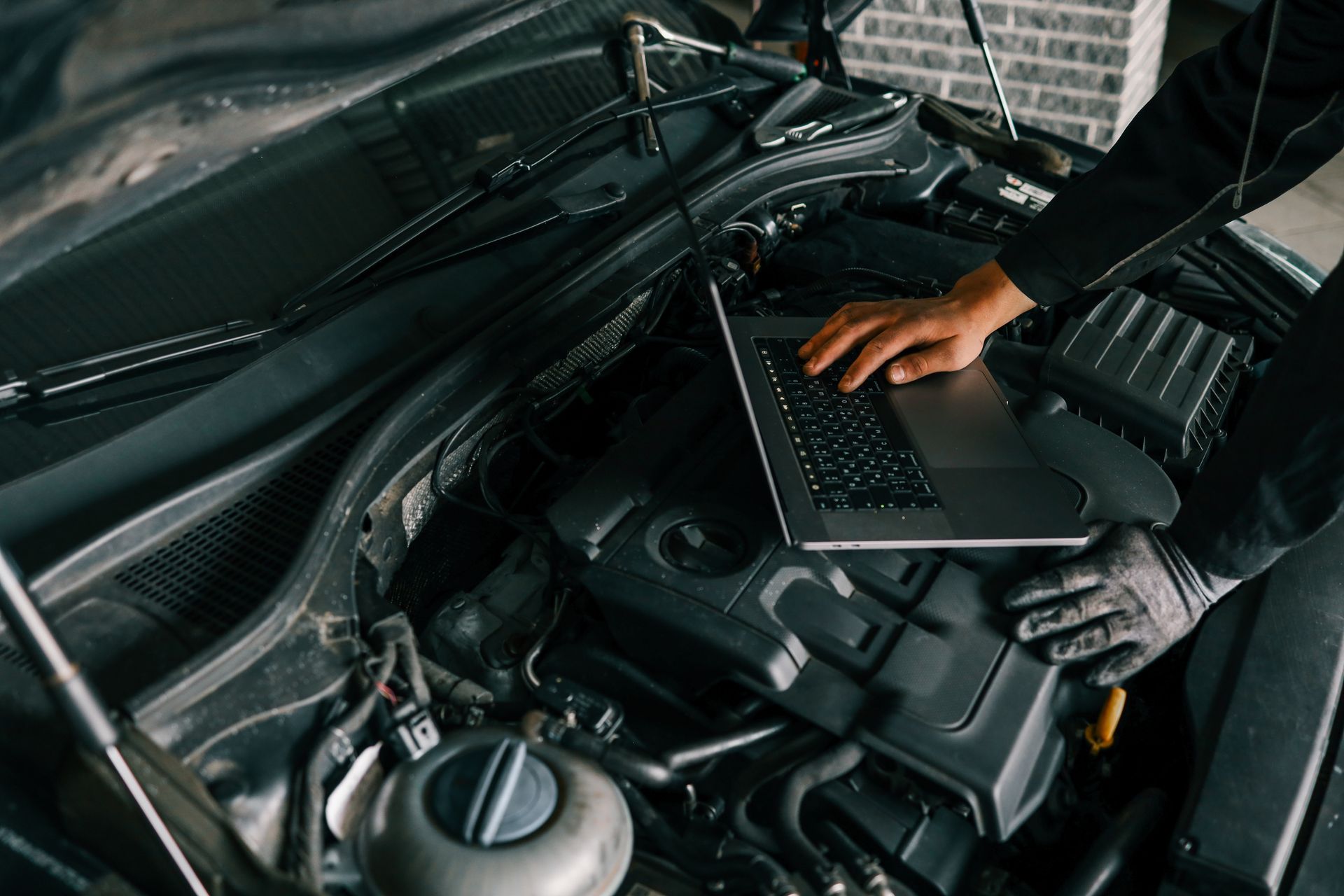
The diagnostic process uses a scan tool to pull stored trouble codes and freeze frame data that captures sensor readings at the moment the fault occurred, then compares live sensor output against manufacturer specifications while the engine runs. For example, an oxygen sensor code doesn't automatically mean the sensor failed—it may indicate a vacuum leak, exhaust leak, or fuel pressure issue that causes the sensor to report abnormal readings while functioning correctly. Testing involves checking fuel pressure with a gauge, inspecting vacuum hoses for cracks, and monitoring short-term fuel trim values to see whether the engine computer is compensating for lean or rich conditions.
After diagnosis isolates the problem, you'll receive a written explanation of which component failed, what measurement or test result proved the failure, and what repair will restore normal operation. The approach eliminates repeated return visits for the same symptom caused by replacing parts that weren't actually broken, reducing total repair costs compared to trial-and-error methods that rack up multiple invoices before stumbling onto the correct fix.
The emphasis on efficiency and return on investment means diagnostic time pays for itself by preventing wasteful parts replacement that doesn't solve the underlying issue. Right diagnosis leads to right repair on the first attempt, minimizing vehicle downtime and avoiding the frustration of intermittent problems that reappear days after an incorrect fix.
Questions Before Starting Your Project
Drivers dealing with check engine lights or performance problems often need clarity on what diagnostic testing actually reveals and how it differs from simply reading a code with a basic scanner.
What is the difference between reading a code and performing a full diagnosis?
Reading a code identifies which system triggered a fault, but full diagnosis involves testing the components within that system to determine whether the sensor reporting the problem has failed or whether it's accurately detecting a failure elsewhere—such as an oxygen sensor code caused by an exhaust leak rather than a bad sensor.
How do electrical and sensor failures show up in DFW vehicles specifically?
Year-round heat accelerates insulation breakdown in wiring, causing shorts or open circuits, while humidity creates corrosion in connector pins that increases resistance and disrupts sensor signals, leading to intermittent faults that traditional code readers struggle to replicate during testing.
When should I pursue diagnosis instead of just replacing the part suggested by the code?
Pursue diagnosis when the code points to an expensive component like a catalytic converter or engine computer, when the same code returns after parts replacement, or when multiple codes appear simultaneously suggesting a common root cause rather than several unrelated failures.
What tools are used during a professional engine diagnostic session?
Professional diagnosis uses a bidirectional scan tool that can command components on and off to test operation, a digital multimeter to measure voltage and resistance in circuits, a fuel pressure gauge to verify pump and regulator function, and a vacuum gauge to detect intake leaks that affect air-fuel mixture.
How long does proper engine diagnosis typically take?
Diagnosis duration depends on symptom complexity, but most single-issue problems like a misfire or no-start condition require thirty minutes to ninety minutes of testing to isolate the failing component and confirm the repair strategy before ordering parts.
The Brake Guyz DFW applies the same diagnostic rigor to engine problems that maximizes billable efficiency by solving issues correctly the first time, avoiding comebacks that erase profit and damage customer trust. Reach out at (817) 217-7151 to describe your vehicle's symptoms and arrange a diagnostic appointment that delivers clear answers before any parts are ordered or installed.