Charging Systems Restored to Prevent Stranding
Alternator Replacement in Fort Worth for voltage regulation failure, battery drain, and electrical system instability
An alternator that no longer maintains fourteen volts during engine operation leaves the battery discharging instead of recharging, a condition that causes dim headlights at idle, flickering dashboard lights, slow cranking, and eventual no-start situations that strand drivers without warning. Heavy reliance on air conditioning, heated seats, and infotainment systems across DFW vehicles increases electrical load on charging systems year-round, accelerating bearing wear and voltage regulator failure in alternators tasked with supplying constant amperage under high-temperature underhood conditions. The Brake Guyz DFW tests charging system output before recommending alternator replacement, verifies that the battery can hold a charge and isn't the actual problem, then installs a new alternator matched to your vehicle's electrical demands across Fort Worth, Lake Worth, Keller, and the surrounding service area.
The service addresses situations where the battery repeatedly dies overnight, where dashboard warning lights indicate charging system faults, or where voltage drops below twelve volts during engine operation—signs that the alternator cannot meet electrical load or regulate voltage within the narrow range required to protect sensitive electronics.
Schedule a charging system test to confirm whether the alternator has failed or whether battery condition, corroded cables, or parasitic draw is causing the electrical symptoms.
What Thorough Alternator Service Includes
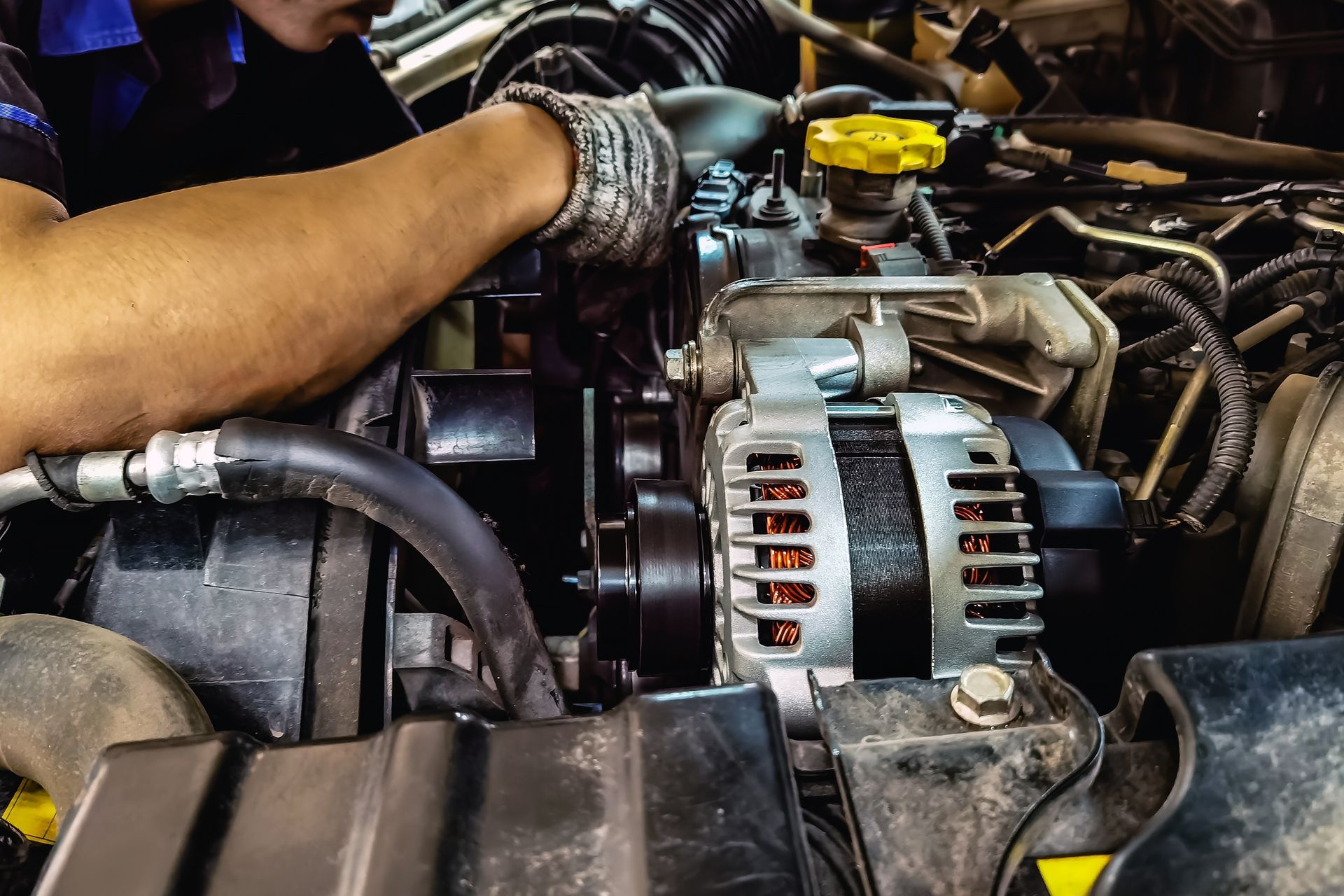
The process begins with load testing the battery to ensure it can accept and hold a charge, followed by measuring alternator output voltage and amperage under varying electrical loads to determine whether the unit meets manufacturer specifications. If output falls below thirteen-point-five volts or amperage drops when headlights and climate control activate, replacement proceeds with a new alternator that includes an internal voltage regulator and bearings rated for your vehicle's specific duty cycle.
After installation completes, you'll notice that the battery gauge or voltage display returns to the normal range, headlights no longer dim at idle, and the battery remains fully charged even after short trips or extended accessory use with the engine off. The charging system delivers consistent voltage to all electrical components, eliminating the risk of computer module damage or sudden stalling caused by voltage fluctuations that occur when alternators fail gradually rather than all at once.
The focus on diagnostic testing before parts replacement prevents the common mistake of installing a new alternator when a bad battery or corroded terminal is actually draining voltage, a scenario that wastes the cost of an unnecessary part and leaves the original problem unresolved. Proper testing isolates the failing component and confirms the repair will address the root cause before any money is spent on replacement parts.
Common Questions About This Service
Vehicle owners facing alternator problems often need guidance on recognizing early failure signs and understanding what separates accurate diagnosis from parts-swap guessing.
What are the early warning signs that an alternator is beginning to fail?
Early signs include dimming headlights at idle that brighten when engine speed increases, a battery warning light that flickers intermittently, slower than normal power window operation, or a whining noise from the alternator pulley area caused by bearing wear that precedes complete electrical failure.
How does the technician confirm the alternator is the actual problem?
The technician measures battery voltage with the engine off to establish baseline charge, then measures voltage with the engine running to confirm the alternator is producing at least thirteen-point-five volts, followed by a load test where all electrical accessories are activated to verify amperage output remains within specification under maximum demand.
Why do alternators fail more frequently in Fort Worth and DFW area vehicles?
Prolonged air conditioning use during extended summer heat causes alternators to run at higher amperage output for months at a time, generating internal heat that accelerates voltage regulator wear and bearing lubrication breakdown, while underhood temperatures exceeding two hundred degrees stress electrical windings and shorten component lifespan compared to vehicles in cooler climates.
When should alternator replacement happen immediately versus deferring the repair?
Replace immediately when voltage drops below twelve volts with the engine running, when the battery dies repeatedly despite being new, or when dashboard electronics behave erratically—conditions that risk sudden loss of power steering, brake assist, or engine operation if the alternator fails completely while driving.
What warranty coverage applies to the replacement alternator and labor?
Warranty terms vary by parts supplier and typically range from one year to lifetime coverage on the alternator itself, with labor warranties covering reinstallation if the new unit fails prematurely due to manufacturing defect rather than external issues like belt tension or electrical system damage.
The Brake Guyz DFW operates throughout Fort Worth and surrounding areas with a business model built on diagnostic accuracy that eliminates wasteful parts replacement and maximizes first-visit repair success. Call (817) 217-7151 to arrange charging system testing that delivers clear answers about alternator condition and battery health before committing to replacement costs.